

If you’ve been living in a houseful of people, you might have experienced a bath with ice-cold water at some point. However, this may also suggest that you are having problems with your water heater. It’s essential to be knowledgeable of ways to examine and troubleshoot your heater because, to be honest, it could cost you a lot of money having it fixed or replacing it. Here are some common problems with the water heater and how to fix it.
Before anything else, safety first! Make sure you turn off your water heater to prevent electrical and burn injuries. You can do this by turning off the circuit breaker where the heater is connected.
Longer Heating Time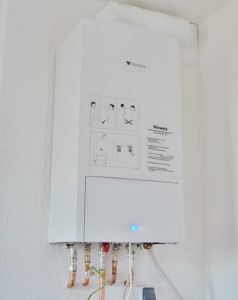
This is one of the most common problems of electric water heaters, especially when it gets old and rusty. The amount of time it takes to heat water depends on the model of the heater you use. Generally, a newer model performs better than the old one. That being said, you should check your heating element if there are any sediment build-ups or if it needs to be replaced. Now, this is the tricky part since you need to remove the element by yourself in order to replace it.
If more people use your water heater at home, you might want to invest in a larger tank capacity or upgrade to a newer model. Compare different kinds of models to know what suits you best.
Strange Noises
Examine your water heater, and if you find strange noises from it, most commonly, it is due to scale build-up on the heating element. Other causes include sediment build-up in the bottom of the tank, a leak, high pressure inside the tank, or noisy pipes. When your water heater is making up noises, you should always have it looked to prevent any further damage.
Dirty Water
Dirty water is a common sign of rusty tank or anode. If this goes unnoticed and left untreated, it could lead to severe damage and would need a replacement. Consider replacing the anode rod to lengthen the lifespan of your water heater.
 Different Smell of Water
Smelly water can be a result of bacteria build-up in your tank. A quick fix would be increasing the temperature to 140 degrees to kill the bacteria. However, it wouldn’t solve the problem in the long term. People who use water from the well is more susceptible to think kind of problem. Periodic flushing might help, but replacing the anode rod would be the best fix.